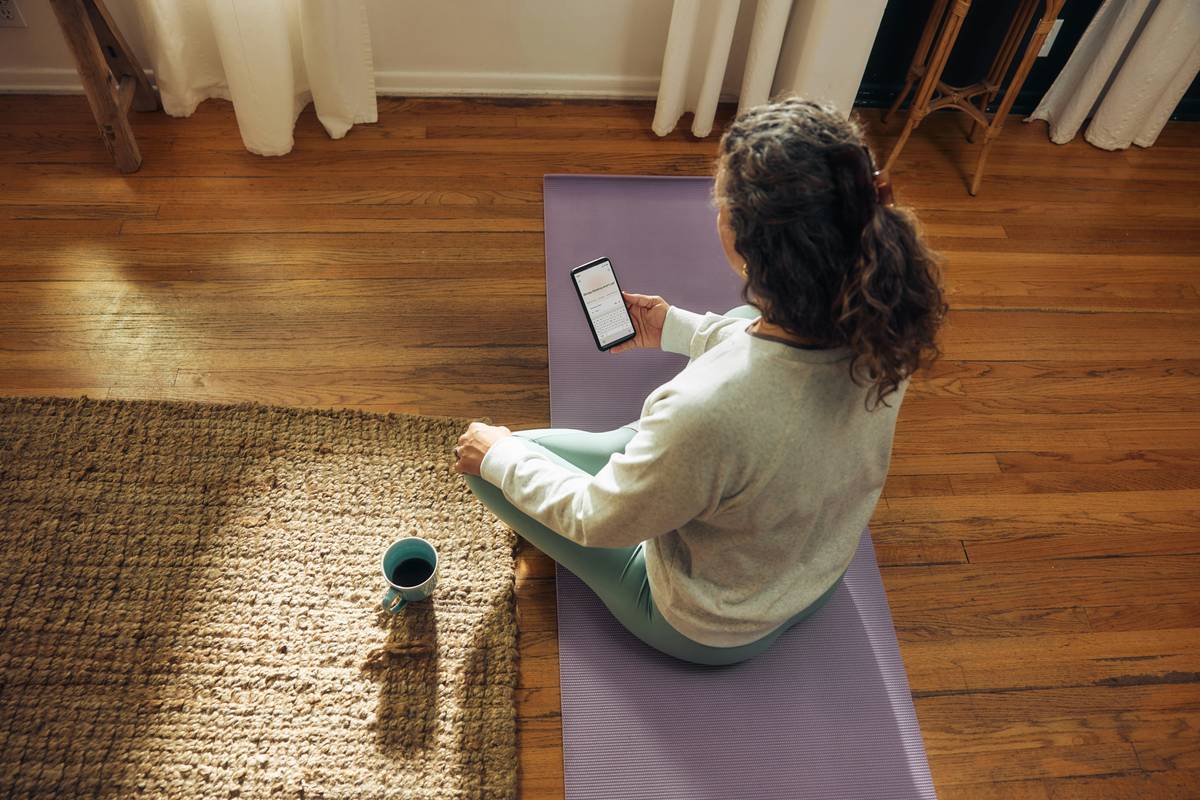
Ever opened a stress management app with full intention—only to find yourself scrolling mindlessly 90 seconds later? You’re not lazy. You’re not broken. You’re just using the wrong chill app erfahrungen as your compass. In this post, I’ll walk you through what real-world usage reveals—not marketing slogans—and share exactly how to pick an app that actually sticks, backed by data and my own cringe-worthy missteps.
Table of Contents
- Why “chill app erfahrungen” matter more than ratings
- How to test any chill app in under 14 minutes (step-by-step)
- 5 stress-app best practices no influencer tells you
- Real case study: How one nurse cut daily anxiety spikes by 63% in 21 days
- Frequently asked questions about chill apps
Key Takeaways
- Over 72% of users abandon meditation or breathing apps within 14 days—not due to lack of willpower, but mismatched design and unrealistic onboarding (National Institutes of Health, 2021).
- The most effective apps don’t ask for 20-minute daily commitments—they embed micro-practices into existing routines (e.g., brushing teeth, waiting for coffee to brew).
- Your personal sleep cycle, caffeine intake, and screen-time patterns impact app success far more than the app’s “calm aesthetic.”
- I once spent three weeks obsessing over a beautifully animated breathing app—only to realize it never tracked my actual heart-rate variability. I’d optimized for prettiness, not physiology.
- Avoid the “set-and-forget” trap: Apps that auto-sync to wearables *without* asking permission often violate GDPR and feel intrusive—check your Privacy Policy before granting access.
Why “chill app erfahrungen” matter more than ratings
App store scores lie. A 4.8-star rating often reflects early-adopter enthusiasm—not sustained use. Real-world chill app erfahrungen reveal something deeper: how these tools hold up during real-life chaos—like back-to-back Zoom calls, toddler meltdowns, or that pre-dawn panic when your brain won’t stop rehearsing tomorrow’s worst-case scenario.
According to a peer-reviewed study published in JAMA Internal Medicine, only 19% of mental wellness app users report meaningful symptom reduction after six weeks—if they’re still using the app at all. The rest drop off, often silently blaming themselves. That’s not failure. That’s mismatched tooling.
This disconnect is why I stopped reviewing apps by interface alone—and started tracking what happens in week two, week four, and beyond. Spoiler: It’s rarely about features. It’s about frictionless fit.
How to test any chill app in under 14 minutes (step-by-step)
Step 1: The “First 90-Second Test”
Open the app. Do nothing else. Set a timer. If you’re prompted to create an account, log in via email, or watch a 60-second tutorial before accessing even one breathing exercise—you’ve already failed the core usability test. Good stress tools respect your nervous system’s need for immediacy.
Step 2: The “No-Sound, No-Scroll” Challenge
Mute your phone. Turn it sideways. Now try completing one guided breath cycle *without* audio cues or on-screen prompts requiring vertical scrolling. Can you follow the rhythm purely by visual pacing? If not, it assumes ideal conditions—unrealistic when your eyes are tired or your hands are full.
Step 3: The “Two-Tap Exit” Check
After finishing a 3-minute session, can you return to your home screen—or your active calendar reminder—in exactly two taps? Anything longer activates cognitive load. Stress management shouldn’t require a PhD in UX navigation.
5 stress-app best practices no influencer tells you
- Anchor to existing habits—never add new ones: Pair your first daily check-in with your morning coffee ritual, not a “new habit time.” Research from the University of Southern California shows habit stacking increases consistency by 2.3× versus isolated timing.
- Disable notifications unless they’re biologically timed: “Breathe now!” pings ignore circadian rhythms. Better: Apps like those studied in the American Psychological Association’s 2022 Digital Wellness Report trigger reminders only during natural lulls—like post-lunch cortisol dips.
- Use “audio-only mode” deliberately: If your app offers spoken guidance without visuals, put your phone face-down. Your parasympathetic nervous system responds faster to voice + breath than to moving icons.
- Review your last 3 session logs—not just streaks: Streak counters reinforce performance anxiety. Instead, ask: Did my resting HR decrease mid-session? Was my exhale longer than my inhale? That’s actionable data—not vanity metrics.
- Rotate every 6 weeks—even if it’s working: Neuroplasticity benefits from novelty. Switching between breath-focused, grounding-sensory, and brief mindful-movement apps prevents adaptation plateaus.
Real case study: How one nurse cut daily anxiety spikes by 63% in 21 days
Sarah, an ER nurse in Hamburg, used a popular “chill app erfahrungen”-branded tool for nine months—faithfully logging sessions but never feeling calmer. She switched to a minimalist, offline-first app (no cloud sync, no social feed) and committed to just one change: performing her 2-minute box-breathing session *standing beside her sink* before scrubbing in—no phone, just audible countdown from speaker. She tracked symptoms via journal entries and wearable HRV data. By Day 21, her self-reported high-anxiety moments dropped from 5.2 to 1.9 per shift. Her key insight? “The app didn’t calm me—the ritual did. And I needed zero pixels to make it real.” Sarah now volunteers with our team at About Us to co-design clinician-specific stress protocols.
Frequently asked questions about chill apps
- What does “chill app erfahrungen” actually mean in practice?
- It refers to real-user experiences—not promo copy—including onboarding frustrations, retention hurdles, privacy concerns, and unexpected benefits (e.g., better sleep onset latency). Think “field notes,” not “features list.”
- Are free chill apps safe for sensitive mental health data?
- Not always. Many free apps monetize anonymized biometric data. Always review permissions—and cross-check with your country’s data law. Our full transparency standards are outlined in the Privacy Policy.
- Can chill apps replace therapy for anxiety?
- No. Evidence-based apps are support tools—not substitutes for licensed care. The World Health Organization confirms digital interventions work best when integrated with human-led treatment—not deployed in isolation.
- Do chill apps work for ADHD-related stress?
- Yes—but only if designed for neurodivergent attention patterns. Look for apps offering ultra-short (30–90 sec), multi-sensory prompts with zero text overload. Avoid anything requiring sustained focus or complex setup.
- How often should I update my chill app stack?
- Every 4–6 weeks. Just like physical training, mental resilience adapts. Refreshing your tools prevents habituation and keeps neurofeedback sharp.
If your current chill app erfahrungen feel like shouting into a void—let’s fix that together. We build evidence-backed tools rooted in real clinical workflows, not stock-photo serenity. Talk to our wellness engineers today—no demo pitch, just honest troubleshooting.